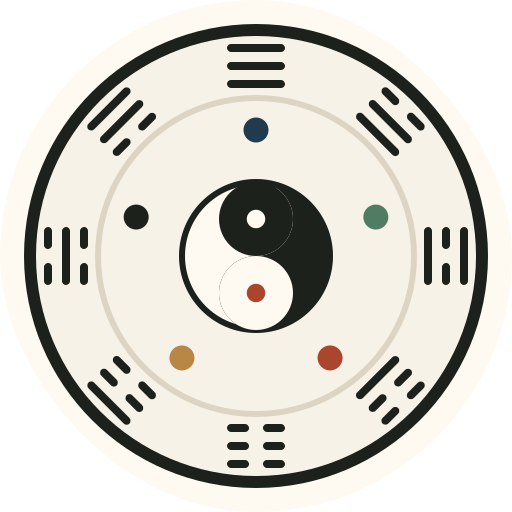
BaZi means Eight Characters
BaZi literally points to eight characters: the Heavenly Stem and Earthly Branch of each of the four pillars. A full chart usually includes the year pillar, month pillar, day pillar, and hour pillar. Together they form a symbolic map of time, season, Yin-Yang, and Five Elements movement.
The month and day matter
Many simple Chinese zodiac pages focus on the birth year. BaZi goes deeper because the month carries strong seasonal weight and the day pillar gives the Day Master, a common anchor for reading the chart. The same element can feel different in spring, summer, autumn, or winter.
Heavenly Stems and Earthly Branches
The Heavenly Stems combine Yin-Yang with the Five Elements, such as Yang Wood or Yin Fire. The Earthly Branches are twelve time markers connected with months, hours, animals, seasonal qi, and hidden element structures. The animal name is the doorway, not the whole reading.
The Day Master is not your whole identity
Many BaZi readings begin with the Day Master, the Heavenly Stem of the day pillar. It can help discuss temperament and rhythm, but it should not become a final label. A responsible reading asks how the whole chart supports, pressures, warms, cools, expresses, or steadies that central pattern.
Pattern, not prediction
The useful question is not what must happen to me. A better question is what kind of rhythm do I tend to carry, what conditions support balance, and what kind of cultivation would make the pattern less strained. Eastern Elements avoids using BaZi to frighten, limit, or over-define a person.
How this connects to the free reading
The free Eastern Elements reading stays intentionally simple. It introduces Five Elements language from birth-date context without pretending to be a full traditional BaZi consultation. If the language helps, the deeper BaZi guide can show how Four Pillars, seasonality, and element relations add nuance.
A responsible way to begin
Start with one modest reflection: what element or rhythm seems emphasized, what feels under-supported, and what small practice would bring more balance. Keep ordinary judgment awake, especially for medical, financial, legal, relationship, or safety decisions.